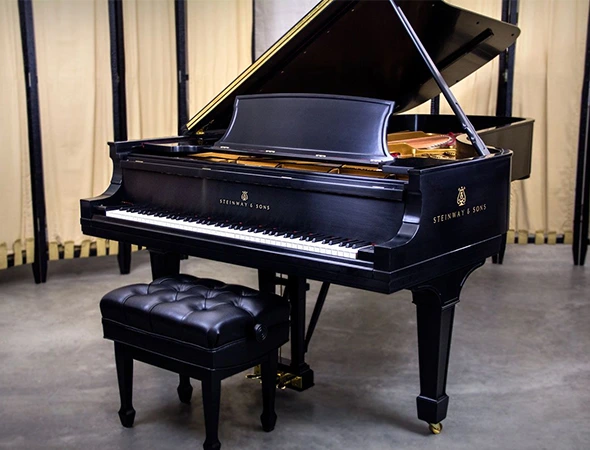

Piano Voicing Service in San Carlos, CA for Refined Tone & Balance
Some pianos sound glassy in a small room, while others lose their sparkle over years of playing. Bay Piano Tuner offers a piano voicing service in San Carlos, CA, for players and families who want a sound they enjoy. The work involves adjusting the felt on each hammer, note by note. Better tone can make practice more rewarding.
Get in touch
Piano Tone Assessment & Hammer Adjustments
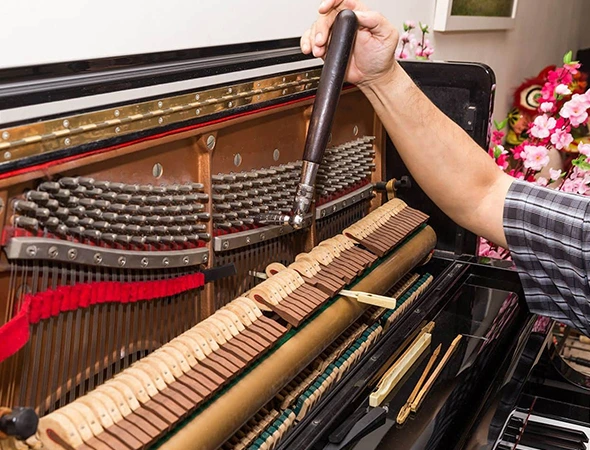
The right tonal adjustment starts with listening to what you hear at the keyboard. I assess whether certain notes sound too bright, dull, harsh, or uneven, then check the hammer felt and striking surfaces behind those changes. Depending on the condition, I may use needling, filing, or other careful adjustments to refine the response. This focused approach keeps the work centered on the notes that need attention while preserving the piano’s existing character.
Piano Tone Voicing Services in San Carlos, CA
The sound one pianist loves, another may find too sharp or too subdued. Some players want warmth, while others prefer more sparkle and projection. Classical repertoire, jazz, and worship music can each call for a different tonal character. That’s why I aim the voicing on your piano toward the sound you prefer rather than a generic standard.
Your room plays a part too. Hard floors, tall windows, and bare walls can make a piano seem brighter, while rugs and heavy curtains tend to soften what you hear. I listen to the piano where it actually lives in your San Carlos home, including how the lid position on a grand affects the sound from the bench. A small change to a few hammers can make a noticeable difference, and my goal is a tone that suits both your playing and the room.
Our Services
Piano Services for Sound, Touch & Performance
Tone rarely exists on its own. How a piano is tuned, regulated, and kept in repair can all affect what voicing can achieve, so these services often work together.
Piano Technician
A buzz, dead-sounding section, or rattle isn't always a hammer problem. Loose parts, a cracked soundboard rib, or something resting against the strings can create a similar complaint. Finding the source first is part of my technician work, so voicing is only recommended when it addresses the problem you're hearing.

Piano Repair Services
A hammer with a loose head or cracked shank can't be voiced properly until the mechanical problem is repaired. Strings and other worn components can also affect the sound. I handle those repair needs first when necessary, giving the voicing work a sound mechanical starting point.
Piano Voicing Service
Whether a piano needs softening, brightening, or tonal balancing, I choose between needling, filing, and related hammer adjustments according to its condition. The amount of work depends on what the felt and the piano are telling me, rather than applying the same treatment to every instrument.

Grand Piano Regulation
Inconsistent tone can sometimes begin in the action rather than the felt. Hammers that let off too early or travel different distances can strike the strings with different force. Grand piano regulation addresses those mechanical relationships first, giving my voicing work a more consistent foundation.
Piano Tuner
A sour or wavering sound can come from the strings rather than the hammers. When the strings of one note are out of tune with each other, the tone can become wavy or harsh even when the hammers are healthy. A careful tuning removes that variable, making it easier to hear what tonal work is actually needed.
Benefits Of Choosing My Piano Voicing Service
Here is what changes for you when voicing is done with care:
- Voicing for the Instrument: Having fully rebuilt Steinway, Bechstein, and Bösendorfer pianos, I know that different makers can aim for different tonal colors. That experience informs how I approach your piano instead of forcing every instrument toward the same sound.
- Antique Tone Respect: Pianos built a century or more ago weren’t designed to sound like modern concert instruments. My voicing takes the instrument’s age and existing character into account rather than automatically pushing it toward a brighter modern tone.
- Uprights Welcome Too: Voicing isn’t only for grand pianos. Family uprights can respond to careful tonal work as well, particularly when individual notes have become harder or brighter than the rest.
- Targeted Note Work: If just a few notes or one section bothers you, the work can stay focused there. You don’t need to voice the entire keyboard when much of it already sounds right.
- Comfortable Room Volume: A piano that overwhelms a small room can sometimes be brought to a more comfortable tonal level. That can make longer practice sessions easier on you and anyone nearby.
- Hammer Life Preserved: Felt is softened or reshaped only as far as the piano requires. Taking a gradual approach leaves more usable material for future tonal work.
Work Process
Inside the Piano Voicing Process
Voicing happens at your piano, with your ears guiding each stage.
Play and Listen
You play a few pieces you know well while pointing out notes that sound too sharp, dull, or out of place. Hearing your own music on your own piano tells me far more than a test scale alone.
Adjust the Hammers
The hammers may be needled, filed, or both, in small steps on the notes that need attention. Between adjustments, you're welcome to play and tell me whether the sound is moving in the right direction.
Final Play-Through
Once the tone feels right, you play the same pieces again to hear the change. If one note still stands out, I address it before the visit is finished.
Bright Piano Tone Voicing in Belmont, CA
A piano that sounded warm when it arrived can become brighter over years of playing. Repeated strikes compress the hammer felt, and harder felt can produce a sharper, more metallic tone, often most noticeable in the upper notes. If your piano now sounds sharp enough to make you play more softly than you’d like, changes in the felt may be part of the reason.
Bringing that brightness down in Belmont can involve needling, where I work fine needles into the felt to loosen its fibers and restore some of their resilience. Because softened felt is difficult to return to its previous firmness, I work gradually rather than taking too much away at once. My aim is to reduce the harsh edge without leaving the piano dull.
Harsh Piano Tone Correction in Stanford, CA
Soft passages may sound fine while loud chords turn clangy and coarse, almost like the piano is shouting back. That difference can be traced to worn hammer felt. Over time, the strings cut grooves into the felt and flatten its rounded striking surface, allowing the hammer to contact the strings with a wider, harder area.
Correcting that harshness can start with filing, where I remove worn felt and restore the hammer’s rounded striking surface. Light needling may follow to refine the tone after the main wear has been addressed. How much I can file depends on how much usable felt remains, so I’ll explain what the hammers can reasonably support before the work begins. For players around Stanford, the goal is stronger playing that sounds full rather than brittle.
Piano Tonal Balance Services in Woodside, CA
Run a slow scale and listen closely. On some pianos, a few notes jump out louder or brighter, while others sound thin, and the bass and treble may seem disconnected from one another. That patchiness makes it difficult to play a melody evenly.
Part of my work can be mechanical. Each hammer should contact its strings properly, so I check the contact and correct hammers that are not meeting the strings evenly. From there, I voice individual notes to bring them closer to their neighbors and blend each section of the keyboard. On a Woodside piano, the result should be a melody that carries naturally without stray notes standing out.
Piano Hammer Voicing Services in Hillsborough, CA
Where a hammer gets voiced matters as much as how much material is changed. The crown, or upper striking area of the felt, affects the tone of softer playing, while the shoulders contribute to how the hammer responds as playing becomes more forceful. Working the wrong area can solve one tonal problem while creating another.
Before deciding where the needles should go, I sort the problem notes by how they sound during soft and loud playing. On a grand, the soft pedal shifts the hammers so they strike a different part of the felt, and I listen to that change as well because it can reveal differences that are easy to miss. Bay Piano Tuner brings this hammer-by-hammer attention to pianos in Hillsborough, so quiet passages and stronger playing can work together tonally.
What People Ask About Piano Voicing
There's no fixed schedule, since it depends on how much and how hard the piano is played. A piano used for daily practice or teaching will change sooner than one played a few times a month. Your own ears are often the best signal, especially if the tone has shifted in a way you don't like. A tuning visit is a convenient time to ask whether voicing would help.
Many can benefit from tonal attention after they have settled into their new room, though the timing varies. Hammer felt changes as a new piano gets played, and a piano can sound different in a home than it did in the showroom or factory setting. Once it has had time to settle, I can judge the tone in its actual room and decide whether voicing is worthwhile.
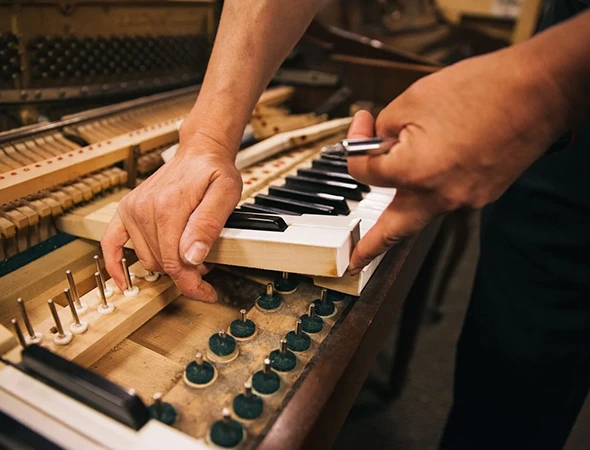
Voicing works on tone rather than the mechanics of the keys. If the keys themselves feel uneven, sluggish, or inconsistent, regulation is the service that addresses touch. Changes in perceived loudness or tonal response can affect how playing feels to you, but voicing does not replace mechanical adjustment.
It's not a good idea. Voicing tools are specialized, and needling or filing in the wrong place can leave notes uneven in ways that take more work to correct. Hammers can also be costly to replace if the felt is damaged. Describing what you hear and having the piano assessed first is the safer approach.
Voicing itself does not adjust string tension or set the piano's pitch. Tuning stability depends on factors such as the tuning pins, strings, and changes in the piano's environment. The two services address different parts of the instrument, although both may be needed when a piano has tonal and tuning concerns.
Ready for a More Balanced Piano Tone?
Describe the sound bothering you, whether it’s too bright, too dull, or uneven, in an email to crh@ichaz.com. For a quicker conversation, call or text (650) 438-8334, and I’ll explain what voicing can change on your piano.
Call: (650) 438-8334
Email: crh@ichaz.com
Send A Message
About Bay Piano Tuner
Bay Piano Tuner brings hands-on experience in piano tuning, repair, voicing, and regulation to each service visit. My work takes the piano’s condition, construction, and the player’s preferences into account rather than applying the same treatment to every instrument. From individual notes that sound harsh to broader tonal inconsistencies, I work carefully through the piano to address what you are actually hearing.
Towns Where I Voice Pianos
San Carlos is where I’m based, and voicing visits extend to the nearby towns below. Each is close enough that tone work can sometimes be spread over more than one visit when a piano responds better to a gradual approach.